
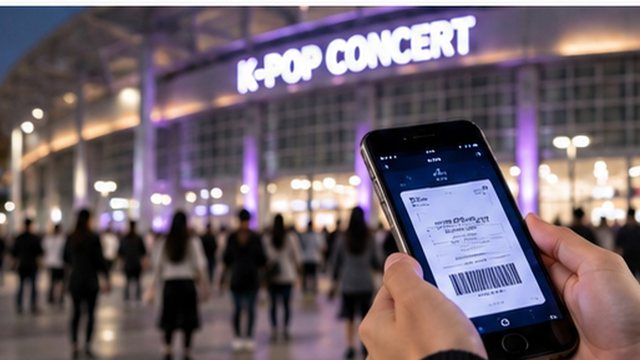
The K-pop concert you want is sold out. Then you open X, Instagram or a resale chat and suddenly there are tickets everywhere — at twice the face value, three times, sometimes much more.
In Korea, that situation changed in an important way in 2026.
In September, police said they had arrested a man in his 30s accused of buying and reselling 8,967 concert and sports tickets between September 2018 and April 2026, generating about 2.4 billion won in sales. One example cited by investigators was a 2019 BTS concert ticket bought for 110,000 won and resold for 3 million won.
That case was handled as obstruction of business and covers years of activity before the new rules. But it lands in a very different legal environment from the one it started in.
“So it's only illegal if a scalper uses a bot, right?”
Not anymore.
A revised version of Korea's Public Performance Act took effect on August 28, 2026, together with its enforcement decree.
The rules are no longer limited to macro or bot software. They cover buying tickets for resale by bypassing or disrupting the seller's fair purchasing process, and habitual or commercial resale above your own purchase price without the consent of the party selling the tickets — meaning the official seller or its authorized ticketing agent, not the person who happens to be selling to you.
Illegal resale can lead to an administrative surcharge of 2 to 50 times the sales amount, and profits can be confiscated. Illegal purchasing or resale can also carry up to one year in prison or a fine of up to 10 million won.
What if a friend transfers one ticket to me?
This is where the details matter.
The amended rule defines illegal resale around repeated or commercial resale above your purchase price. A one-off transfer between fans is not automatically the same thing.
But there is another issue that matters just as much to an overseas fan:
“Not automatically illegal” does not mean “guaranteed entry.”
Korean concert rules vary by event. Some shows check the reservation name against a passport or other ID. Some do not allow private transfers. If the name on the booking does not match the person at the venue, a ticket that looks completely real can still become unusable.
That risk hurts even more when you have already paid for flights and a hotel in Korea.
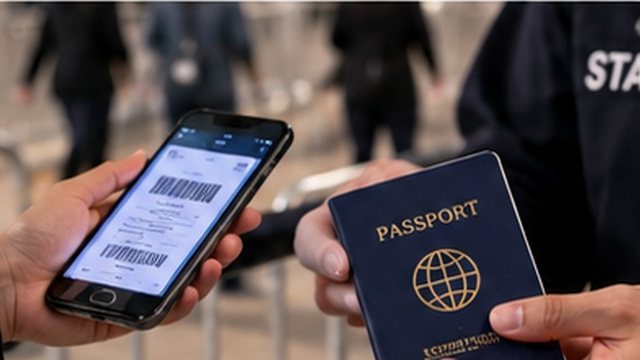
Before you buy a resale ticket, check this first
Start with the official event notice, not the reseller.
- Does the show require an ID check, and which ID is accepted for international visitors?
- Are ticket transfers or name changes allowed at all?
- Do canceled seats return to the authorized ticketing channel, and when?
- Who is the authorized seller for this specific show?
A seller saying “entry guaranteed,” “name change available” or “I'll hand you the wristband at the venue” is not the same as the organizer guaranteeing it.
Korea also runs an official reporting portal for illegal performance and sports ticket resale, and idol concert tickets are covered. Reporting illegal purchasing can earn a reward of up to 50 million won, and reporting illegal resale up to 50 percent of the surcharge imposed on that seller.
Already booked your trip to Korea?
A sold-out notice can make an unofficial resale ticket feel like the only option. It is not always the only option.
Depending on the event and ticket seller, canceled seats or extra inventory may appear again through the authorized channel. Keep checking the organizer's notice and the official seller, especially as the show date gets closer.
In 2026, buying an expensive unofficial ticket simply because “everyone does it” carries more legal and practical risk than before.
A concert ticket matters. But if you have flown all the way to Korea, the safer ticket is still one whose purchase and entry rules you can verify with the official seller.
ID checks, transfer rules, canceled-ticket releases and entry policies are event-specific and can change. Always re-check the latest notice from the organizer and the authorized ticket seller. This article is general information, not legal advice.