
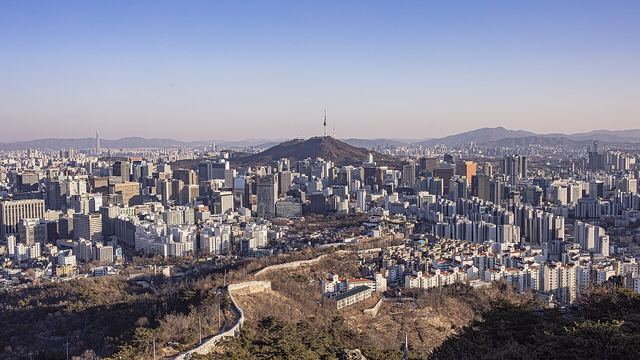
Your Korea trip is over, and you’re back home.
But something feels strange. You ride the train and suddenly think of the Seoul subway. You walk outside at night and the Han River comes to mind. You start looking for your next destination — and somehow end up checking flights to Seoul again.
Some travelers have started calling that feeling “Seoul sickness.”
It is not a real illness. It is an internet expression, used half-jokingly for the feeling of still missing Seoul after a trip and wanting to go back.
Do people really say “Seoul sickness”?
Yes.
For the past few years, posts on Chinese social media have used the term “Seoul sickness” (首尔病) for the longing people feel after a trip to Seoul. More recently, the same expression has appeared in English-speaking communities. This year, one Reddit post asked outright: “Is Seoul sickness a real thing?” The writer said that after visiting Korea, they found themselves saying almost every day that they wanted to go back.
The replies sounded familiar. Some people said they already missed Seoul even though they had only recently left. Others said they returned after their first trip. Some had traveled to many cities, yet said Seoul stayed on their mind for unusually long.
Of course, not everyone feels that way. Some simply replied that it is normal to miss a place where you had a great trip. So rather than some special medical phenomenon, Seoul sickness is better understood as a playful name for the strong travel nostalgia that can linger after a trip to Seoul.
So why Seoul?
What people miss is not necessarily the famous tourist attractions.
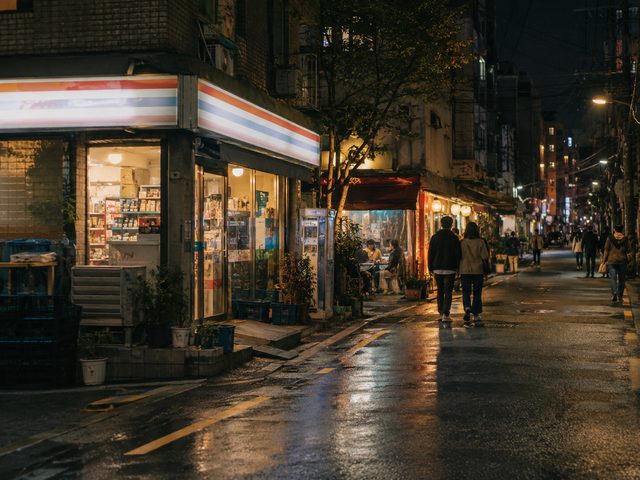
An evening by the Han River. A small restaurant down an alley. A convenience store glowing late at night. Cafés. Riding the subway from one neighborhood to another. Those everyday moments are often the ones people talk about.
One traveler wrote that after leaving Korea, they even missed tiny details such as the Seoul subway announcements and banana milk. Things that felt ordinary during the trip can turn into vivid memories once you are home.
Seoul’s own analysis of international visitor reviews and movement data also found that travelers’ interests were spreading beyond major sights such as Myeong-dong and Gyeongbokgung Palace to traditional markets, filming locations, Seoul Forest, mountains and neighborhoods across the city.
More travelers are coming to Seoul, too
It is also hard to dismiss the feeling as nothing more than a social-media phrase.
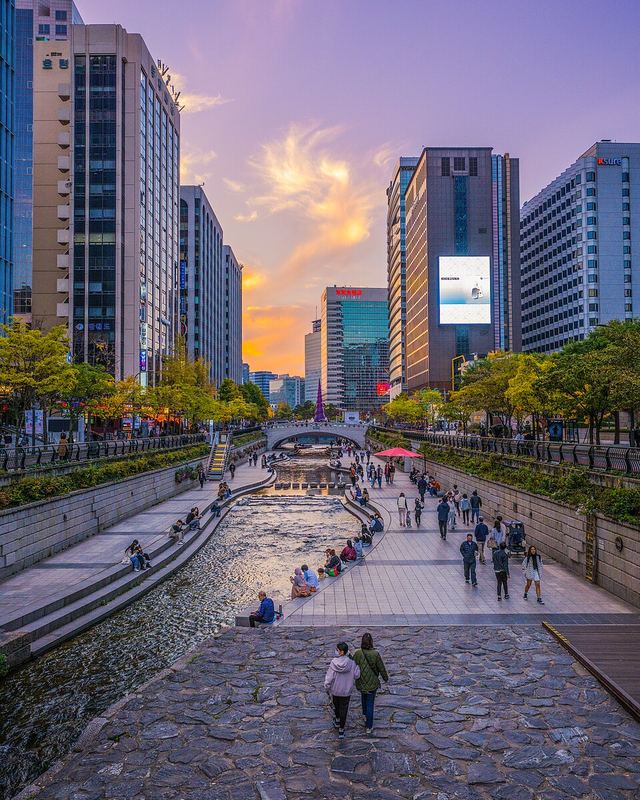
In July 2026, 1.61 million international visitors came to Seoul, setting a new monthly record. Around 600,000 came from China, 250,000 from Japan and 200,000 from Taiwan, showing the strong share of nearby Asian markets.
Of course, those numbers do not prove “Seoul sickness.”
But they do fit a broader pattern: more travelers seem to remember Seoul not as a place to visit once and move on from, but as a city they want to return to.
Your trip is over, but the Han River at night keeps coming back to you.
You suddenly crave something you ate in Korea.
You are already checking dates for another Seoul trip.
If that sounds familiar, someone might tell you:
“You’ve got Seoul sickness.”